

 See My Latest Article on HelloNation
What Is the Difference Between SEO and SEM?
SEO (Search Engine Optimization) and SEM (Search Engine Marketing) are two distinct approaches for gaining visibility in search engines like Google. SEO focuses on achieving higher rankings through unpaid (organic) efforts, while SEM includes paid advertising in search results as well as organic methods. Both are crucial parts of digital marketing, but they work very differently.
How Does SEO Work for Local Websites?
SEO is all about making websites or pages appear higher in search results without paying for ad placement. For local residents and organizations, SEO typically involves:
- Optimizing website content for terms people in the community actually search for (like "best hiking trails near the river")
- Ensuring websites are easy to navigate on mobile devices, which is common among people browsing at events, parks, or from home
- Setting up accurate location details in online directory listings
- Earning mentions or links from other locally trusted resources
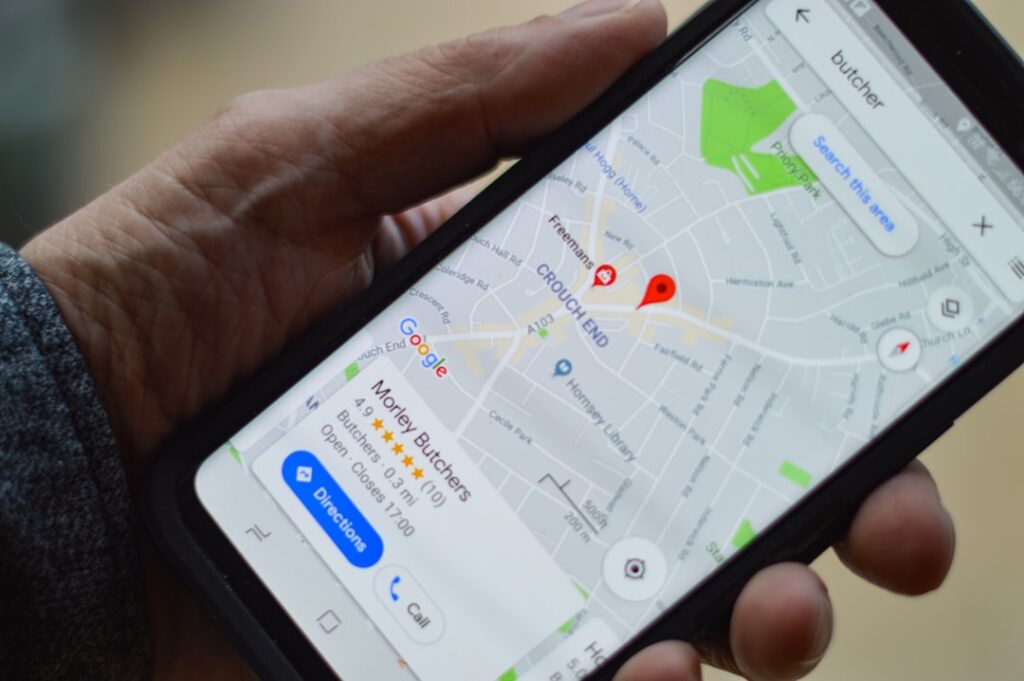
A practical example: If someone searches “dentists open late in the city,” local clinics with well-designed, reliable websites and up-to-date listings are more likely to appear at the top through SEO, without anyone paying for ads.
What Does SEM Include Besides SEO?
SEM covers paid advertising that places results above or alongside regular listings on search engines. These typically appear as highlighted results or marked ads. SEM may involve:
- Creating search ads that show up for specific keywords
- Paying only when a visitor clicks on the ad (pay-per-click or PPC)
- Setting daily budgets, deciding on specific audiences, or focusing on select neighborhoods
Suppose a business wants to reach residents searching for “summer festivals this weekend.” Through SEM, an event organizer can run sponsored ads to appear at the very top—even if their website is new or their SEO is not strong yet.
Which Is More Effective for Charleston, WV Residents: SEO or SEM?
For local needs, the choice depends on goals, timeline, and resources:
- SEO offers lasting results that continue after the setup work is done; great for trusted local information, community groups, or non-profit resources
- SEM delivers instant visibility but only as long as the ad budget is active; useful for limited-time offers, local events, or new services looking to get attention quickly

Often, a combination works best—SEO for consistent, long-term discovery, and SEM for reaching people right away during specific seasons, such as back-to-school or major civic events.
Are There Common Misconceptions About These Approaches?
Yes. Residents sometimes assume that paying for ads is always necessary, which isn’t true—many local groups, schools, and civic spaces succeed with SEO alone. Others believe that SEO is "set and forget," but regular updates are usually needed, especially if things like hours, contact details, or local programs change.
Another misconception is that SEM always guarantees top results. While paid ads can bring quick exposure, they still depend on well-chosen keywords and appealing content to attract clicks from the community.
How Do Search Results Look Different When Using SEO vs. SEM?
SEO-optimized results are the standard listings people see after scrolling past any ads at the top. These often contain local pages, maps, and trusted resources, such as community announcements or government information.
SEM ads show up prominently, usually with a small text label such as “Ad” or “Sponsored.” Residents scanning search results can spot these quickly. For example, while checking for neighborhood cleanup events, the top few listings may be paid, followed by organic results that reflect ongoing or frequently updated projects in the area.
What Should Local Residents Know About Costs and Ongoing Effort?
SEO can take several weeks or months to show results, since it relies on updating and consistently improving websites or profiles. There’s typically no direct cost to appear in organic results—just the time and knowledge needed to optimize listings.
SEM involves an ongoing cost, since the ads only display while the budget is active. After ads stop running, that extra visibility disappears. Managing SEM also means monitoring results and adjusting spending, which may not be practical for every small group or household.
Why Do Both Matter for Local Information Access?
In a community where word-of-mouth matters and digital connections play a growing role, both SEO and SEM tools help neighbors and organizations share reliable, up-to-date details. Whether searching for flood warnings, nearby sports leagues, or public service notices, understanding these tools helps ensure people can access what they need—even if they never click on an ad or scroll past the first few results.